
Climate change is one of contemporary society's most critical challenges, and I want to be clear from the start: I take it seriously. The science is real, the impacts are already happening, and the urgency is not overstated.
But there is a specific framing I want to push back against, because I think it does real damage to how we respond: the idea that climate change will be "the end of the earth." It won't be. And conflating those two things, the severity of the problem with the extinction of the planet, leads people toward paralysis instead of action.
The planet will outlast us regardless. The real question is what kind of world we're leaving behind, and whether we can still get it right.
The planet has been through worse
Earth is 4.5 billion years old. In that time it has survived asteroid impacts large enough to wipe out entire species, volcanic eruptions that covered continents in ash, and ice ages that locked most of the surface in glaciers. The planet has a remarkable capacity for adaptation and recovery across geological time. What we are dealing with now is serious, but it is not, in planetary terms, without precedent.
This is not a reason for complacency. It is a reason for precision. When we say "climate change will destroy the earth," we are not being more urgent; we are being inaccurate. And inaccuracy, in a conversation this important, costs us credibility with the people we most need to reach.
The real question is what world we're leaving behind
The genuine concern is not planetary survival. It is the quality and stability of the world our children and grandchildren will live in. Climate consequences vary enormously by geography: some regions may experience agricultural disruption, water scarcity, and extreme heat events that make them increasingly difficult to inhabit. Others face coastal flooding. Some may see short-term agricultural gains before longer-term disruption sets in.
The distribution of these impacts is deeply unequal. The communities that have contributed least to greenhouse gas emissions are often the most exposed to its effects. That injustice is real and it demands a response, not because the earth is ending, but because people are already suffering and the situation will get worse without action.
We have agency
Importantly, the severity of what we face is not fixed. Every fraction of a degree of warming we prevent matters. Every year we accelerate the transition to clean energy matters. Every forest preserved, every wetland restored, every piece of legislation passed or defeated matters.
Renewable energy is now the cheapest form of new electricity generation in most of the world. Electric vehicles are becoming mainstream. More organisations and governments are setting ambitious emissions targets than at any previous point in history. Progress is happening, even if it is not fast enough.
Why optimism matters here
There is a practical argument for optimism that goes beyond feeling good. Research consistently shows that people who believe a problem is solvable are more likely to engage with it. Doom framing, the idea that it is too late or that nothing will make a difference, is not just emotionally corrosive. It is strategically counterproductive.
I am not asking anyone to pretend things are fine. Things are not fine. But believing in achievable improvement is what motivates the transformative action we need. The story is not over. We are not writing the ending yet.
Climate change demands immediate intervention, and planetary survival remains assured. The challenge we face is protecting human societies and ecosystems through collaborative, solution-focused effort. That is a different kind of challenge than the end of the world, and it calls for a different, more precise, and ultimately more motivating response.
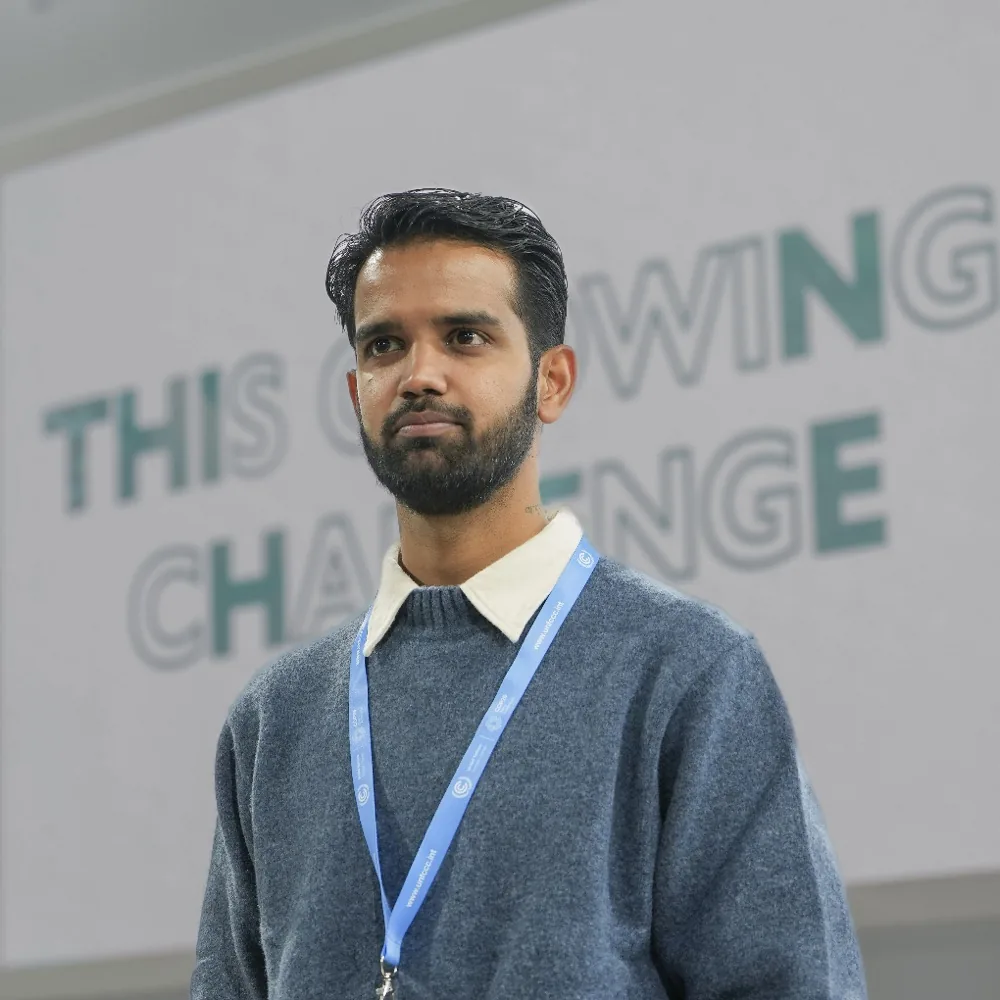
Aakash Ranison
Author